

Human-First EOR Services for Tech
Hit the hiring wall at home? Hire 10–30 senior engineers in LATAM or Eastern Europe via our local infrastructure – compliantly, fast, and without third parties.
- Engineers start delivering in 10 days
- Payroll, IP protection & legal shield
- No setup fees, no deposits, no exit costs
- Recruitment and ops with one partner


The EOR Choice of Late-Stage Product Companies













Alcor EOR Is Best Fit If You’re
Entering a new
tech market
- Hire from day one: our entity, our lawyers, our liability
- Engineering roles open since Q1, filled in 2–6 weeks
- 2x the team on the same budget
Switching from
EOR provider
- SLAs written into the contract, not promised in the demo
- One manager who knows your team. No tickets, no bots
- Full ops infrastructure – one partner, no handoffs
Moving beyond
outsourcing
- Senior engineers report to your CTO and ship on your roadmap
- Full IP ownership from day 1 – no vendor lock-in
- 2.5+ years average tenure, no buyout fees
How Our Clients Transform by Partnering With Us


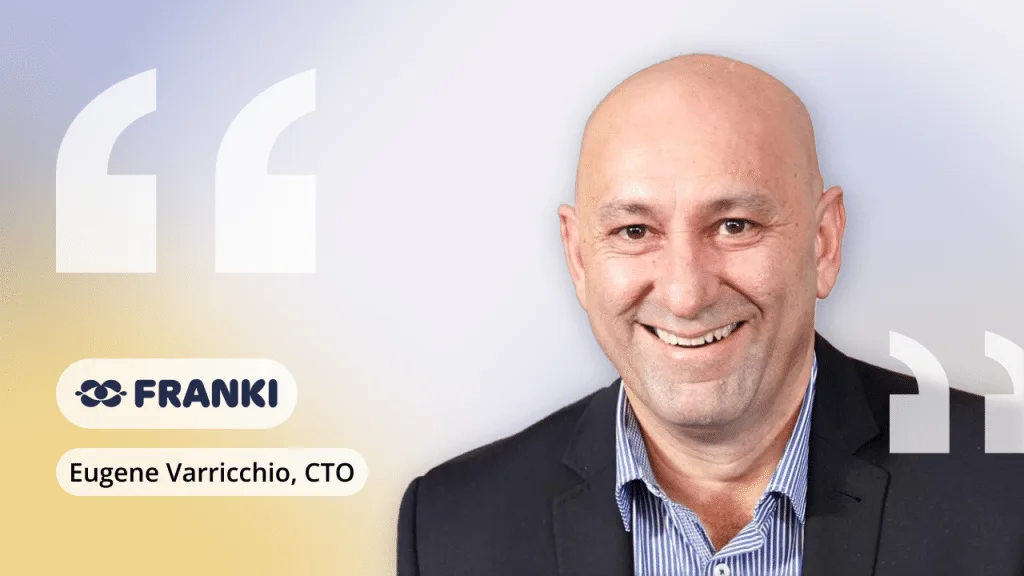

Clients Love Us. Teams Do Too.
“The Alcor team has always been supportive and approachable whenever assistance was needed. Rather than feeling like an external resource, engineers working through Alcor are able to integrate closely with the client’s teams. This creates a more collaborative environment and allows engineers to have a greater impact.”

“My overall experience has been outstanding. Alcor’s model offered the right balance — strong operational support combined with genuine ownership and long-term collaboration. In this model, I am a core member of the team. Rather than rotating between projects, I can invest meaningfully in improving the product and establishing processes that deliver lasting value.”

“Whenever I’ve had tricky bank requests or needed extra documentation, Alcor has resolved everything rapidly. I also love their support with business trips and expense tracking—it’s incredibly convenient. Their team is always available via messenger and ready to help. Highly recommended for anyone who wants a hassle-free professional life!”

“Alcor has been a reliable partner throughout, especially in complex situations. Issues are resolved quickly — often within minutes or hours. Their ability to adapt and support us in complex situations has made a real difference for our team.”

The Only EOR Built Beyond Standard Employment

- Built for Tech Only Customized setup for growing tech product teams, including AI
- Boots on the Ground Local legal, payroll, and ops under our own infrastructure
- 10-Day Onboarding Contracts, benefits, and setup without making you a part-time HR
- People Who Care, Tech That Works AlcorOS gives visibility. Your dedicated manager handles the rest
- Pricing That Fits Growth No setup or exit fees. Pay one service fee, get volume discounts as you grow
- EOR That Scales With You Add recruitment and ops support as needed – no vendor sprawl
Typical EOR
- One-Size-Fits-All Focuses on broad admin. Misses the realities of scaling engineering capacity
- Outsourced Local Helpdesk Local coverage built on third parties – more layers, more liability
- Self-Serve Onboarding 10 minutes in the demo. 10 weeks when it’s your engineer
- Platform First, People Later AI-gen answers come fast. Real issues take a 100-email thread to solve
- Pricing That Adds Friction Prepayments, bundled fees, and extra charges make scaling harder to budget
- Payroll & HR Only Anything beyond admin means extra vendors, extra costs & friction
 Мexico
 Colombia
 Poland
 Romania
 Ukraine


Use our calculator to estimate your team budget before any conversation starts.
Customer Care That Keeps Your Growth Moving


People Who Have Your Back



Javier Preciado
Country Manager in Customer Operations Mexico


AlcorOS – The Operating System Behind Your Team
AlcorOS runs how you build and manage global engineering teams – with full visibility and control in one place.
contact usWhat’s Inside Alcor’s EOR
Employer of Record for Tech
Contact usHR Payroll
Accurate and timely salary calculations and payments for your team of developers
Legal framework
FTE & B2B engagement options, compliance with the local law, preparation of NDAs, and IP rights agreements
On/offboarding
Required employee data collection, employment & termination contracts preparation, payout of final settlements
Benefits management
PTO, health insurance, parental leave, mental healthcare, WFH availability, gym membership, etc.
Where a Software R&D Center with a Partner Pays Off Most
-

Companies expanding faster than the local market allows
A senior search at home runs 4–6 months, and your roadmap waits. An R&D center with Alcor puts 10–30 engineers on that roadmap in 90 days – all report to your CTO, with IT recruitment, EOR, and ops covered. -
Companies scaling engineering inside a fixed hold period
Every quarter your roles stay open is charged against a hold period that doesn't move. An R&D center builds the team the plan assumes – up to 50% below equivalent US hiring, with IP and employment clean at diligence. -
Companies preparing for an IPO or reporting after one
Every open role lands in the R&D line, and the R&D line lands in your guidance. An R&D center builds the team on terms your CFO can plan around – 8 countries on one employment infrastructure, IP assigned from day one, no new US headcount.


How We Delivered WOW to Clients













Alcor is a reliable partner that meets our hiring needs. We finally hired experienced software engineers in Eastern Europe with strong tech skills and business acumen. Account Managers are awesome!

Alcor is a reliable long-term partner that remains mindful of deadlines and business priorities. Their efforts have fostered a stable foundation for our R&D center and its operations in Ukraine. They feature an extensive team of creative problem-solvers that aim to provide flawless service.

Ongoing team management is easy and effortless. They’ve solved every problem we’ve faced, even crazy things like buying certified hardware in the middle of nowhere in Bali and shipping it to the EU.

We wanted to switch from our outsourcing provider, and Alcor has become really game-changing for us. Within a mere 6 months, we got a fully-fledged team of 30 engineers in our own R&D office. 20 more later.

Alcor’s R&D solution eclipses full-cycle recruitment, EOR service, and operational support for our offshore team. Their ‘all-in-one place’ approach is far more cost-effective than I could’ve imagined.

Thanks to Alcor, we hired four engineers and a designer that strengthened our team. Besides stellar recruitment, Alcor flawlessly handled our payroll. Their approach was seamless and swift.


Alcor helped us hire the top 5% of tech talent while building our employer brand. They were proactive, never compromised on quality, and delivered. Three years later, our hires are still thriving!

We managed to more than double the team size within a year and kept active feedback channel with Alcor team.

Expanding our engineering team outside the US with Alcor was a game-changer! They found 15 talented developers and provided seamless EOR & operational support. Great responsiveness to our needs!

I value their commitment to going the extra mile. We evolved from an outstaff project into an independent company, and Alcor’s support was crucial. They hired and onboarded 15+ professionals for us.


Key Things about Employer of Record
What is an Employer of Record and does it work?
An Employer of Record (EOR) legally employs software engineers on behalf of a tech company through an entity the EOR already owns abroad. The client company sources, interviews, hires, and then manages the engineers. The EOR handles the employment and ongoing admin.
Let’s assume you lead a US-based tech product company that is expanding into Mexico. The engineers are found and ready to be hired. The entity is not – incorporation, tax registration, a local bank account, and social security registration can take 2-3 months of legal work before anyone can sign.
An EOR removes that step because the provider already holds a legal entity in Mexico. So your engineers get employed compliantly in weeks rather than months. The EOR handles:
- preparation and maintenance of employment contracts under local law
- payroll processing, taxes, and social contributions
- talent onboarding and offboarding
- benefits administration
- IP clauses and NDAs to protect your codebase
Your engineers report to your CTO, work on your roadmap, and sit on your org chart. The EOR is the legal employer – nothing more.
How EOR benefits tech business
No legal entity needed
Your roadmap can’t wait for you to deal with the bureaucratic hassle of complying with local laws and regulations for incorporation. An EOR company already holds the entity, so your first engineer signs this month instead of next quarter – and you decide later whether a local entity is worth opening at all. Alcor employs your team through our own entities in Latin America and Eastern Europe and handles every employment aspect, while you focus on team and product. If you do open your own entity, we hand the team over – nothing to unwind, no exit fees.
Compliant expansion
Misclassification, unpaid social contributions, weak IP assignment, and possible PE risk are the key aspects that may surface in diligence and cost real money. Your Employer of Record solution should close all of them before they become your burden. Alcor’s employment contracts are written by lawyers with IT law qualifications in each market where we operate, and every engineer’s contract assigns IP and includes an NDA – a legal shield for smooth business operations.
Accurate & timely HR payroll
Late or wrong payroll is how you lose a senior engineer in month four. Local rules on payroll processing, tax systems, contributions, currency, and payout timing differ in every market, and getting them right is a full-time job you don’t want to staff. With Alcor’s Employer of Record services, you can run payroll in-country with specialists who stay up to date on any changes. Need a mid-cycle correction or an off-schedule bonus? Our team recalculates gross-to-net that day – no ticket, no waiting for a self-serve platform to support the case.
Cost-efficiency
Most EOR service providers employ your team and stop there. Recruitment goes to an agency, equipment to another vendor, and the coordination lands on you. Alcor is different.
Our 40 in-house recruiters run the hiring process end to end: EVP, sourcing, tech and cultural screening, interview coordination, offers/counteroffer handling. You speed up your hiring by 5–6x compared to your home country, closing tech roles in 2-6 weeks, even AI/ML ones.
Plus, we handle ops your engineering team needs to run smoothly: equipment procurement, office leasing, visas, stock options, and other operational support. Everything in one place, with flexible, transparent pricing: a custom fee that drops as your team grows. No deposits, no setup or exit costs, and no buyout when you bring the team in-house.
Dedicated customer operations manager
Every hour you spend on a compliance question, payroll correction, or hardware order is an hour you don’t spend on the product. We assign one key customer operations manager to assist you throughout. They know your setup and own every matter end-to-end: from legal complexities to operational support – no ticket queue, no bots.
EOR vs setting up a legal entity
When expanding abroad, some tech companies open a local entity to employ engineers. The process varies by country, depending on local laws governing business incorporation, but generally involves:
- choosing the entity type (subsidiary, branch, representative office)
- name reservation and notary registration
- incorporation with local authorities
- tax registration
- opening and activating a corporate bank account
- social security registration
- other mandatory registrations
This process usually takes from 2 to 4 months in Latin America and Eastern Europe, depending on the country. Plus settling legal, registration, and accounting fees before anyone is hired, and ongoing filing obligations afterward.
Those several months are the real cost. Your roadmap doesn’t pause for incorporation, and neither do your competitors. A quarter spent on notary appointments and bank onboarding is a quarter your engineers aren’t writing code – and the senior candidates you screened in January have taken other offers by April.
It can be a reasonable investment once you know a market is worth a permanent presence. It’s a poor way to find out. With an EOR solution, your engineers are employed through an existing entity, so hiring can start while the entity question stays open. If you ever do open one, your team transfers over – records, benefits, and tenure intact.
PEO vs EOR
A Professional Employer Organization (PEO) provides comprehensive HR administration, payroll processing, tax filing, and employee benefits management – usually to small and medium businesses in their home market.
Three differences matter when you’re hiring engineers abroad.
- Liability: The PEO partnership is based on a co-employment agreement, in which the client company and the PEO provider share employer responsibilities and legal liabilities. An EOR, in turn, is the sole legal employer, so the employment liability sits with the provider, not with you.
- Entity: Another distinction between PEO vs EOR companies is the need for a legal entity abroad. A PEO supports employees you already employ, which means you need a legal entity in that country first. An EOR employs through its own entity. This is why most PEOs operate domestically – without incorporation abroad, the model doesn’t work.
- Pricing: PEO fees are typically tied to total payroll and the services used, which makes costs move with headcount and salary. EOR pricing is usually a flat fee per employee, which is easier to forecast when you’re planning a team of 10 or 30.
In short: a PEO is suitable for engineers you already employ in a country where you operate. An EOR is for hiring in a new tech market. If you’re building an engineering team in LATAM or Eastern Europe without an entity there, EOR is the applicable model.
Staffing agency vs EOR
A staffing agency assists tech businesses in hiring software engineers, covering the entire talent acquisition process – from candidate sourcing and screening to interviewing and offer management. Some can also help with employer branding and hire retention on request.
The main difference between an Employer of Record company and a staffing agency lies in the scope of services they offer. A staffing agency handles the entire hiring process to find a suitable candidate and fill the open tech role, but it can’t employ that talent abroad because it holds no legal entity there. An EOR can employ the selected engineer but usually doesn’t recruit them. Hiring an engineering team in a new market requires both.
Another aspect that distinguishes a staffing agency from an EOR company is the pricing model. Staffing agencies charge a percentage of an engineer’s salary paid per hire. In LATAM and Eastern Europe, it’s typically 15–30%, and in the US, 25–35%, depending on seniority.
EORs charge a flat monthly fee per employee instead. The industry average in 2026 is $400-$700 per employee/month. Some providers also add setup fees, salary deposits, currency conversion spreads, or surcharges in specific countries. Worth asking any provider for a total monthly figure per engineer before you compare quotes. For instance, Alcor charges one service fee with no deposits, FX, setup, or exit costs, and it decreases as your team grows.
Accountability is what distinguishes staffing agencies from EORs. An agency’s obligation usually ends when the engineer signs, sometimes with a replacement guarantee for the first few months. An EOR’s obligation runs for the length of the employment.
When tech businesses use EOR
Expanding into new markets
Tech companies entering a new market inherit its labor laws, tax rules, and reporting obligations before they hire anyone. Incorporation runs about three months before the first contract can be signed – a quarter of your roadmap waiting on paperwork.
An international EOR company removes that admin drag. Your engineers are employed through an entity that already exists, under local contracts, with payroll and compliance handled in-country. You interview and hire on your own timeline, and the provider carries the rest: labor law, tax and social contributions, worker classification, and IP assignment in every contract. Some, Alcor among them, also recruit – so senior roles get filled and employed under one contract, with no local operations to stand up for either.
Moving off outsourcing
Software outsourcing tends to work out on the MVP stage, with a small team and a defined project scope. It gets harder as the product matures: engineers rotate off, product knowledge leaves with them, IP ownership depends on what the vendor contract says, and bringing the team in-house means paying hefty buyouts.
Employing the same engineers directly through an EOR changes what you hold. They sit on your org chart, report to your engineering leadership, and their contracts assign IP to you. With a local provider like Alcor, you also employ senior engineers for the same budget as renting an outsourced team and achieve an average retention of 2.5 years – no product knowledge loss. Plus, all local operations, payroll, legal compliance, benefits, and equipment are handled in one place, without juggling vendors or overpaying on markups.
Changing EOR provider
Most global Employer of Record platforms are built to cover many countries for many functions. That’s the right design for a distributed team with different positions spread across five markets. It’s a weaker fit for 10+ engineers focused in one market: contracts that don’t address IP or equity cleanly, benefits that aren’t competitive against local tech employers, local coverage running through third parties, and no tech recruitment.
Tech companies usually switch from their EOR platforms when the team grows past what the platform was designed for – typically somewhere between 10 and 30 engineers in one market, when the gaps start costing more than the fee. Alcor is built for engineering teams at that scale: contracts that cover IP, equity, and classification, in-house recruiters who fill senior engineering roles in 2–6 weeks, and local operations run by our own teams. One contract, one partner, one infrastructure to run an engineering team in LATAM or Eastern Europe.
What to look for in an EOR provider?
Six things worth checking before you sign. Most are answerable on a first call.
- Do they own the entity in your market? Many providers cover a long list of countries, but only some of those through entities they own – the rest run on local partners. Ask which applies where you’re hiring. It determines who’s legally liable and how long it takes to resolve an admin problem.
- Do they specialize in employing engineers? Engineering contracts carry things a general EOR template doesn’t include: IP assignment, equity and stock options, contractor classification, and benefits that compete against local tech employers. Ask to see how they handle IP.
- What does the total monthly cost look like? The headline fee is rarely the whole figure. Ask about setup fees, salary deposits, currency conversion spreads, country-specific surcharges, minimum contract terms, and what leaving costs. Get it as one figure per engineer, in your market.
- Who answers when something goes wrong? A termination, a tax notice, a payroll error, a visa problem – ask whether you get a named customer operations manager to handle your admin surprises, or only a self-serve platform with a ticket queue. Plus, make sure response time, issue ownership, and liability are specified in your contract, not just on their website.
- Can they ensure retention? Ask for specific case studies with team size, functions handled, and cooperation length. A provider who has kept a 30-engineer team running for 3+ years is making a different claim than one with a large customer count.
- What happens beyond employment? Tech recruitment, equipment procurement, visa support, stock options – you name it. If an EOR platform stops at payroll and HR, those become separate contracts, sometimes with different vendors, and your team coordinates them.
Switching an Employer of Record
Switching is more common than the market lets on, usually for the same reasons: fees that grew with the team, contracts that don’t cover IP or equity properly, local coverage running through a third party, or support that slowed down as you scaled.
Underneath most of them is the same thing: a provider built to employ anyone, anywhere. It’s like grabbing sushi at a local supermarket and eating them at an authentic omakase restaurant – same product but different quality. A generic EOR software company won’t know which contract type best suits a senior engineer in Poland, which benefits win offers against local tech employers in Mexico, or how stock options are taxed in Colombia.
So how do you switch an EOR provider?
What the switch actually involves. Your engineers are terminated by the old provider and re-employed by the new one. On paper, that’s a change of legal employer; in practice it means new contracts, a payroll handover, benefits re-enrolment, and a data transfer. Handled properly, engineers see a new contract and the same paycheck on the same date.
What to check before you start. Your notice period and whether the contract auto-renews. Whether a deposit is returned, and when. How accrued leave and tenure carry over – this is the part engineers care about, and it varies by market. Whether your IP assignments survive the transfer or need to be re-executed.
What it should cost. Nothing, from the incoming provider. Any transition fee is worth questioning.
Alcor runs the transition with clear SLAs: employment data transfer, new contracts, payroll handover, and legal settlement with the outgoing provider. Your engineers keep their compensation, benefits, and start date.
Next Step – Your Own Software Development Center
EOR solves employment and payroll. It doesn’t solve hiring, compliance for tech, stock options, equipment, employer branding in a market where nobody knows you.
Alcor’s software R&D center model covers all of it under one contract:
- Tech recruitment: 40 in-house tech recruiters prescreen candidates for tech and cultural fit to provide you with qualified CVs in 3-5 days and close your open tech roles in 2–6 weeks, including AI/ML. You get fully integrated engineers, with 98.6% of them passing probation and shipping with you for an average of 2.5 years.
- EOR/COR. We employ engineers through our own entities in Mexico, Colombia, Poland, Ukraine, and Romania, and engage them via our Contractor of Record across other countries in LATAM and Eastern Europe. It takes 10 days to onboard an engineer, with contracts, payroll, benefits, IP assignment, and compliance fully handled.
- Operations. Office leasing, equipment procurement, IT setup, insurance, visas, employer branding, and more on request. Plus, you get a dedicated customer operations manager to own your issues in-country.
The outcome is a team of 10–30 engineers operational in 90 days, reporting to your CTO, with everything they need in place. From unicorns like Backstory and Ledger to public tech companies such as BigCommerce and ThredUP, our software R&D center solution scales with the team and sustains it for years.
Ready to Build Your AI Engineering Team?
While your competitors are stuck fighting over the same domestic AI talent for months, this guide shows you where to build your AI engineering team twice as fast and save up to 66% on base salaries alone.

FAQs
What does EOR stand for?
EOR stands for Employer of Record – a company that legally employs software engineers in a country where you have no entity. The EOR handles onboarding/offboarding, employment contracts, payroll, local taxes and social contributions, benefits, and compliance with local labor law. You interview, hire, and manage the engineers; your EOR service provider handles admin.
What does an Employer of Record (EOR) do?
An Employer of Record handles everything that comes with employing engineers abroad: employment contracts, payroll, tax and social contributions, compliant onboarding and offboarding, benefits administration, worker classification, and IP protection.
What it doesn’t do varies. Most international Employer of Record services stop at employment – tech recruitment, equipment, and office leasing become separate vendors. Alcor covers those too, combining EOR services with in-house recruitment by 40 hiring experts and 360° operational support, helping product tech companies scale 10-30 engineers in 90 days and stay fully compliant.
How can EOR help with global payroll management?
Payroll abroad means local contribution rates, filing deadlines, currency handling, and payout timing – all of which differ by country and change without notice. A global Employer of Record absorbs that: the provider calculates gross-to-net under local rules, remits taxes and social contributions, and pays your engineers on schedule in local currency. Plus, their team of lawyers and accountants, equipped with the latest updates on local laws, will help you avoid any inconsistencies, errors, and legal liability.
What is the difference between PEO, EOR, and GEO?
A Professional Employer Organization (PEO) works on co-employment terms: you and the provider share employer responsibilities and legal liability. It covers HR administration, payroll, compliance, and tax payments, but only for people you already employ, which means you need a legal entity in that country first. Most PEOs operate domestically for this reason.
Employer of Record (EOR) is the sole legal employer of your engineers. No entity is required, and the employment liability sits with the provider. You keep full authority over hiring, management, and compensation.
Similar to EOR, Global Employment Company (GEO) offers the same services but helps companies hire talent worldwide. The trade-off is depth: broad international EOR coverage tends to run partly through local partners, and few GEOs specialize in any one industry, so operational services beyond payroll often get subcontracted.
Do my employees work for me or for the EOR provider?
They work for you. You decide who to hire, how the team is structured, what they’re paid, and what they work on, and you communicate with them directly. From day one, your engineers sit on your org chart, report to your engineering leadership, and are part of your culture and process.
The EOR is the legal employer on paper. That means it holds the employment contract, runs payroll, and handles compliance, so you don’t need an entity in that country. And with a remote Employer of Record like Alcor, IP is assigned to you in every contract – the code your team writes is yours.
What is the cost of EOR services?
The cost of global EOR services varies by provider and the level of support included. Most EORs charge a flat monthly fee per employee. The 2026 range runs roughly $400–$700, though the headline rate is rarely the full cost – setup fees, salary deposits, currency conversion spreads, and country-specific surcharges sit on top.
Alcor charges one service fee that shrinks as your engineering team grows. No deposits, no setup fees, no exit costs. This pricing approach makes Alcor’s Employer of Record services a cost-effective choice for tech companies aiming for long-term, sustainable growth.
How secure is the EOR?
Security in an EOR arrangement comes down to three things: who owns the IP your engineers produce, who holds their personal data, and who is legally liable if employment rules are broken.
On IP, check that assignment and NDAs are written into every employment contract rather than added later – for engineering teams, this is the one that matters most, and it’s what diligence will ask about. On data, the provider should be GDPR-compliant with documented handling, especially if any of it moves between countries. On liability, an EOR employing through its own entity carries the exposure directly; one working through a local partner has a longer chain.
Alcor’s in-house legal team drafts contracts under each market’s local laws, with IP and NDA assignments in each one, and we employ through our own entities.
How do you choose the right global Employer of Record for your business?
When choosing an EOR for global expansion, five factors matter most:
- Tech specialization: Pick a provider that has employed software engineers before. Engineering contracts carry things a general template handles poorly – IP assignment, equity and stock options, worker classification, and benefits that compete against local tech employers.
- Legal entity availability: Verify they own an entity in your market, not a local partner. Country counts often blend the two, and it determines who is legally liable.
- Compliance protection: Check for an in-house legal team that can mitigate misclassification risk and handle GDPR and CCPA obligations.
- Transparent pricing: Ask for a total monthly figure per engineer – including deposits, FX spread, minimum term, and exit costs.
- Proven reliability: Ask for case studies with team size and cooperation length, and reviews on Clutch or G2.
Alcor answers all five: tech-only contracts, our own entities, in-house lawyers, one service fee, and teams still running years on.
How can I compare Employer of Record service providers?
Shortlist EOR providers in your target location by expertise, service coverage, and client reviews. Then book short discovery calls and ask each EOR company to walk you through four things:
- How they handle legal compliance and IP protection
- Their pricing structure, including deposits, hidden fees, and buyouts
- Their legal presence and in-country support in your market
- What they offer beyond employment – recruitment, operations, equipment
Finish by asking for case studies with team size and cooperation length, not a logo wall. The right EOR solution balances compliance, transparency, and everything you’d otherwise coordinate yourself.
How to get started with an EOR?
Start with the market. With H-1B fees for new petitions now near $100,000, hiring foreign professionals into the US has become significantly more expensive, and more companies are building engineering teams abroad instead. The best options for US tech companies are Latin American and Eastern European countries, as they provide access to 4.3+ million ICT specialists and offer up to 60% salary savings.
Then pick the provider. Check that they own an entity in your market, have employed engineers before, and can give you a total monthly cost per engineer. Scope what you need beyond employment – recruitment, equipment, office – because that decides whether one contract covers it or four do.
After the agreement is signed, hiring can start immediately. With Alcor, engineers are employed and onboarded in 10 days.
What are the main drawbacks of a partnership with an EOR provider?
Data and IP exposure. If IP assignment isn’t written into every employment contract, ownership gets murky – and diligence will find it. Ask to see the clause.
Slow responses. Support that runs through a ticket queue or a local partner turns a two-day problem into a two-week one. Ask who answers and how fast, and whether it’s in the contract.
Costs that appear later. Deposits, FX spreads, country surcharges, minimum terms, and exit fees rarely show up in the headline rate. Some providers also subcontract anything beyond payroll, which adds cost and another party handling your data.
None of these is inherent to remote EOR. They’re what to check before signing.
EOR vs IT recruitment agency: what’s the difference?
A tech recruitment agency is a service provider that covers full-cycle hiring of software developers abroad. The spectrum of their services spans from creating candidate profiles and EVPs to applicant screening, job interviewing, and helping with offers/counteroffers. Unlike EOR providers, tech recruitment companies don’t engage in the employment of developers, legal and compliance activities, and they rarely deal with payroll.
EOR vendors, on their part, cover all operational functions except for tech recruitment.
The exception is Alcor, as we provide a turnkey solution that includes both tech hiring and EOR support, plus operational coverage.
Is it easier to use an EOR service or create your own entity in another country?
It’s definitely easier to use EOR solutions when expanding abroad. In this case, you won’t have to deal with the process of opening your legal entity that may last for up to 3.5 months and cost you thousands of dollars, as your local partner would already have one. Plus, no need to deal with employment contracts, calculation and payment of taxes, monthly payroll, legal and compliance matters, etc. By leveraging Alcor’s EOR solution, you can enjoy peace of mind, knowing that all legal and admin aspects are taken care of.
Which EOR provider is the best for hiring software developers?
Alcor is the best EOR provider for tech companies looking to hire software engineers in LATAM and Eastern Europe. Here’s what Alcor offers:
- Engagement built for engineers. B2B and FTE options, 10-day onboarding, IP assignment, and NDAs in every contract covering source code and product deliverables.
- Tech only. Full compliance with local labor and tax rules, handled by in-house lawyers who employ engineers all day.
- Recruitment included. 40 in-house recruiters, senior roles closed in 2–6 weeks, 98.6% pass probation, 2.5+ year average tenure.
- Operations too. Equipment procurement, office leasing, visas, employer branding, and more.
- Pricing that drops as you scale. One service fee, no deposits, no setup or exit costs.
So, are you looking for a better EOR alternative – but with real human cooperation and a true tech focus?
Alcor is not a platform for managing HR & payments. Our R&D center model covers all operations for smooth and fast scaling – tech recruitment, employment, operations – under one contract. Recruitment of 10-30 engineers in 90 days by 40 in-house recruiters. EOR with IP assignment, payroll, and benefits. Operations from equipment to office.
Our solution has proven effective for Backstory, BigCommerce, Sift, Ledger, Pindrop, and many other mature tech companies scaling in LATAM and Eastern Europe.